
beauty mirror with lights
Understanding Metal Ring Gauges A Key Tool in Precision Measurement In the realm of engineering and manufacturing, precision measurement is paramount. Among the myriad of tools available for this purpose, the metal ring gauge stands out as an essential instrument. This article delves into the definition, types, uses, and advantages of metal ring gauges, highlighting their significance in various industries. What is a Metal Ring Gauge? A metal ring gauge is a precision measuring tool used to assess the external dimensions of cylindrical objects. Comprised of a circular metal ring, it is designed to fit over the object being measured. The gauge is typically calibrated to specific dimensions, making it possible to determine whether a part meets required tolerances. The simplicity of its design belies its crucial role in ensuring the accuracy and functionality of components across multiple sectors. Types of Metal Ring Gauges Metal ring gauges come in various types, each tailored to specific measurement needs 1. Go/No-Go Gauges These are the most common types of ring gauges. The Go gauge checks whether the part is within the specified tolerance, while the No-Go gauge ensures it does not exceed the maximum limit. This binary approach allows for a quick and effective means of quality control. 2. Adjustable Gauges These gauges allow for recalibration, enabling them to be used for a range of sizes. They are often employed in settings where parts vary in dimensions, thus enhancing efficiency without compromising accuracy. 3. Thread Ring Gauges Specifically designed to measure threaded components, thread ring gauges ensure that the threads on a screw or bolt meet industry standards. This type is crucial in construction, automotive, and machinery sectors where threaded parts are ubiquitous. Uses of Metal Ring Gauges The applications of metal ring gauges are extensive. They are used in metal ring gauge - Manufacturing In factories, ring gauges are employed to verify the dimensions of manufactured parts, ensuring that they fit together as intended. This is especially important in automotive and aerospace industries, where precision can be a matter of safety. - Quality Control Quality assurance teams utilize ring gauges to perform routine checks on product specifications, thereby maintaining the integrity of the manufacturing process. - Maintenance Engineers often use ring gauges during maintenance work to check the wear and tear on components, ensuring that machinery operates smoothly and efficiently. Advantages of Metal Ring Gauges Metal ring gauges offer numerous advantages that make them a preferred choice in precision measurement 1. Durability Made from high-grade metals, these gauges are built to withstand wear and tear, making them a long-lasting investment for businesses. 2. Accuracy Ring gauges provide a high level of accuracy, crucial for achieving tight tolerances in engineering and manufacturing processes. 3. Ease of Use Their simple design allows operators to use them effectively without the need for complex training, thereby increasing efficiency on the shop floor. 4. Cost-Effectiveness While there may be an initial investment, the accuracy and reliability of metal ring gauges can lead to significant cost savings by reducing waste and the need for rework. Conclusion In conclusion, metal ring gauges play a vital role in the landscape of precision measurement. Their ability to ensure that parts meet stringent specifications is invaluable across industries that demand high standards of quality and reliability. As technology advances, the design and functionality of these gauges will continue to evolve, but their fundamental purpose will remain unchanged. For engineers and manufacturers committed to excellence, investing in high-quality metal ring gauges is not just advisable; it is essential for success.
about
beauty mirror with lights
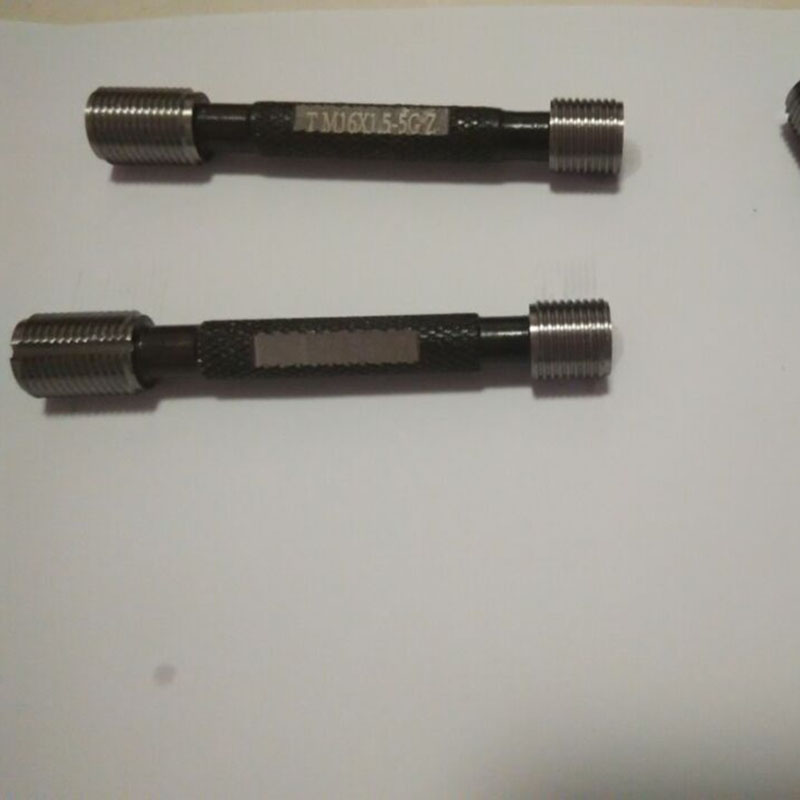
Understanding Thread Ring Gauge 6H and 6G Importance and Applications in Precision Engineering In the realm of precision engineering, the thread ring gauge is an indispensable tool used to ensure the integrity and accuracy of threaded components. Among the various types of thread gauges, the 6H and 6G classifications stand out due to their specific applications and tolerances. This article explores the significance, characteristics, and applications of thread ring gauges, particularly focusing on the 6H and 6G standards. What are Thread Ring Gauges? Thread ring gauges are cylindrical tools used to check the external threads of fasteners such as bolts and screws. These gauges assess whether the dimensions and angles of the thread are within the permissible limits defined by industry standards. The gauges come in two primary types Go gauges, which should fit onto the threaded part, and No Go gauges, which should not fit. This binary checking method ensures that components meet the required specifications for quality and performance. The 6H and 6G Classifications Thread gauges are classified according to their tolerance grades. The 6H and 6G are specific designations within this classification system, mainly denoting the fit of internal and external threads. - 6H This classification refers to the tolerances for external threads. The H indicates that it is a metric thread gauge that is designed for a medium tolerance level. It is intended for use in applications where a good fit is required, typically allowing for easy assembly while maintaining sufficient strength. The 6H gauge will permit slight variations in thread depth, pitch diameter, and overall dimensions, thus accommodating minor manufacturing imperfections while ensuring proper functionality. - 6G On the other hand, the 6G designation applies to internal threads. This tolerance grade is typically used in situations necessitating a more rigid fit. The “G” categorization indicates a higher level of precision, making 6G gauges suitable for high-pressure and critical applications, such as hydraulic systems. A 6G thread will have tighter tolerances compared to 6H, ensuring that parts fit together securely under stress without the risk of loosening or failure. Importance in Precision Engineering The use of 6H and 6G thread ring gauges is crucial in industries such as aerospace, automotive, and industrial manufacturing where safety, reliability, and performance are paramount. The correct threading of components directly impacts the functionality and durability of mechanisms. In sectors that operate under stringent regulations and high-performance demands, such as aerospace, the adherence to exact threading standards becomes even more critical. thread ring gauge 6h and 6g During the manufacturing process, any deviation from the specified tolerances can lead to issues such as thread galling, stripping, or failure under load. Utilizing 6H and 6G gauges during quality control helps identify defects early, reducing the risk of costly recalls or failures in the field. Applications The applications of 6H and 6G thread ring gauges are vast 1. Aerospace In aviation, where components are often subjected to extreme conditions, ensuring precise fit of threaded connections is essential. The 6G gauge aids in assessing the internal threads of fasteners that hold critical parts together. 2. Automotive In the automotive industry, manufacturers utilize these gauges to ensure the correct fitting of engine components, suspension parts, and other critical assembly areas where safety and performance are interlinked. 3. Industrial Equipment Industrial machinery often relies on threaded components for assembly. Using 6H gauges ensures that external threads meet quality standards, enabling smooth operation of heavy machinery. 4. Manufacturing In general production environments, the application of stringent quality checks through 6H and 6G gauges is vital to maintaining high standards and preventing potential failures. Conclusion In summary, thread ring gauges, specifically the 6H and 6G classifications, play a pivotal role in ensuring the quality and reliability of threaded components across various industries. Their importance cannot be overstated, as they serve as the last line of defense against manufacturing defects that could lead to system failures. By adhering to these threading standards, engineers and manufacturers can guarantee that their products perform as intended, offering safety and reliability to end-users.
-

High quality industrial productsagement

High quality industrial products
View Details -

Meet the diverse needs of customers

Meet the diverse needs of customers
View Details -

Strict quality control

Strict quality control
View Details -

Top raw materials

Top raw materials
View Details -

Trusted supplier

Trusted supplier
View Details
Our application
news and information
Välineet tarkkuusmittaamiseen syvyysmittari 18-35 mm halkaisijalle
Dial bore gauge on yksi tärkeimmistä työkaluista tarkkuusmittauksessa teollisuudessa, erityisesti ku
water valve 1 2
Understanding Water Valve 1-2 Functionality and Applications Water valves are essential components i

Using a Spirit Level for Accurate Measurements in Construction and DIY Projects
Understanding the Spirit Level A Essential Tool in Precision Measurement The spirit level, an instru
 English